Heartfelt Paragraph Finds An Unlikely Audience
April 13, 2026
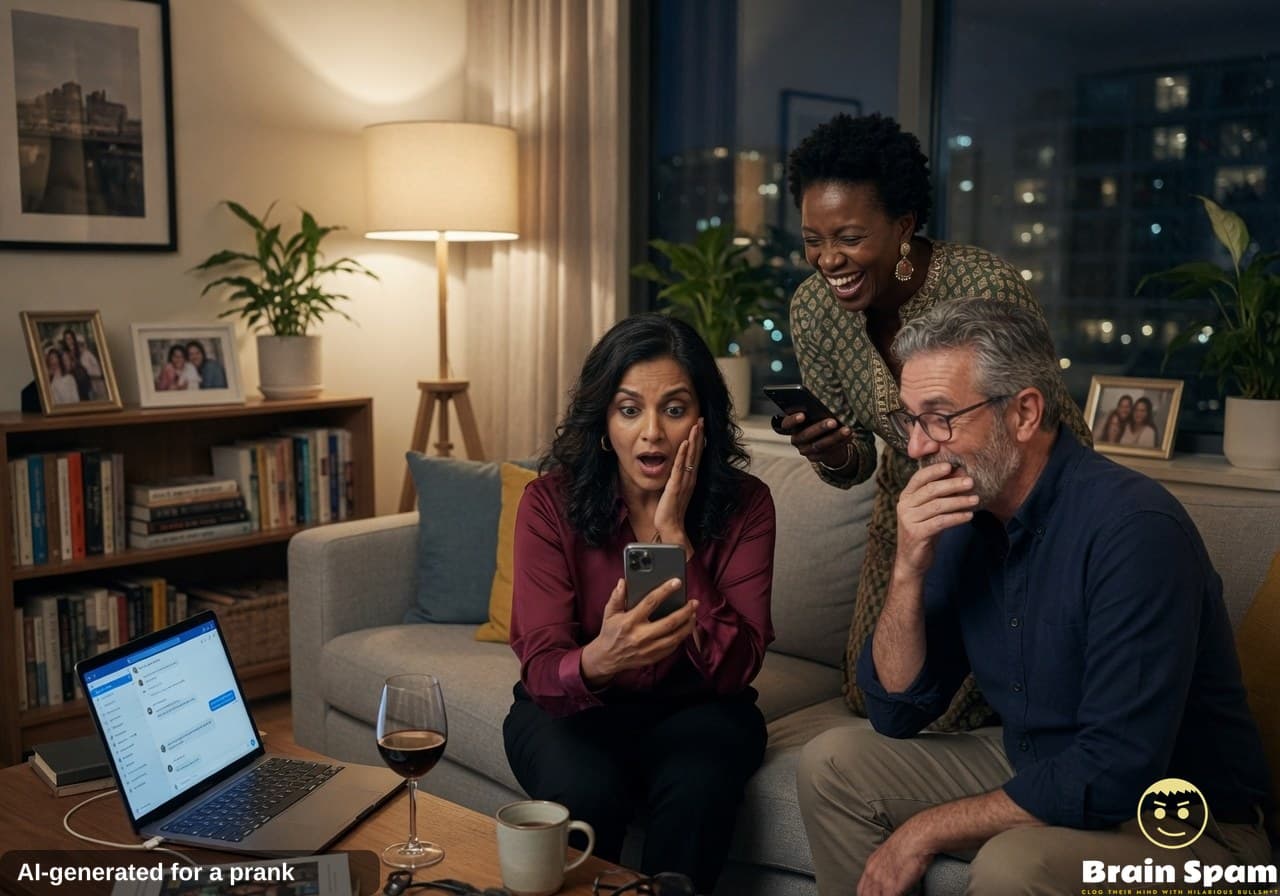
It was a day like any other until Priya Anand decided to pour her thoughts into a heartfelt paragraph that she intended for a small circle of close confidants. (Because naturally these things always unfold without a hitch in the world of instant messaging.) Instead the message sailed straight into a group chat populated by people who had no business reading such personal reflections leading to an atmosphere thick with confusion and polite bemusement among the recipients. Unnamed sources reported that several participants spent several minutes staring at their screens in disbelief before any responses trickled in each one carefully worded to avoid drawing attention to the obvious mismatch between the sender's intentions and the actual delivery. This incident serves as a reminder that technology while convenient often has a way of reminding users that one wrong tap can turn private musings into public property.
The Incident
The group chat in question buzzed with activity as members tried to process the unexpected arrival of such an emotional outpouring. (After all nothing says surprise quite like a deeply personal message appearing amid routine daily updates.) Reluctant observers noted that the initial responses were a mix of encouragement and gentle redirects that somehow managed to acknowledge the sentiment without addressing the error head on. People found themselves navigating the awkward space between wanting to support the writer and recognizing that the words were not meant for them at all. Over the course of the afternoon the conversation shifted back to safer topics yet the undercurrent of the misplaced message lingered making every subsequent exchange feel slightly off kilter. Experts in digital etiquette would likely point out that such events highlight the fragile nature of online boundaries but in practice most just move on with a shrug.
Group Chat Fallout
As news of the mix up spread through informal channels the reactions from those involved remained measured and somewhat resigned. (Because of course everyone has experienced a similar slip at one point or another in their digital lives.) The atmosphere around the incident was one of quiet amusement mixed with empathy for the sender who probably wished for nothing more than to retract the entire paragraph the moment the mistake became clear. Colleagues and acquaintances alike exchanged knowing glances in real life settings describing the event in hushed tones that suggested both sympathy and a shared understanding of how easily these things occur. No one wanted to make a big deal out of it yet the story gained a certain momentum that kept it circulating for days afterward.
The Lingering Awkwardness
In the end the whole affair settled into the annals of minor digital disasters that everyone prefers to forget but cannot quite ignore. Priya Anand presumably learned a valuable lesson about double checking recipient lists before hitting send though whether that changes future behavior remains to be seen. (After all old habits die hard especially when emotions run high and the send button beckons.) Unnamed sources expressed a collective weariness with these recurring tales of misdirected messages noting that while the technology improves the human element of error persists unchanged. It is the sort of occurrence that prompts a sigh and a return to business as usual leaving behind only the faint echo of unintended disclosures.
Related Searches
🎉Gotcha!
This satirical story was created by a BrainSpam user using the BrainSpam platform — a tool for generating fictional and humorous stories for entertainment.
Create your own at BrainSpam.com
Disclaimer: This article was created by a user of BrainSpam and is intended solely for satire, parody, and entertainment purposes.
BrainSpam is a platform that allows users to create fictional, humorous, or exaggerated stories about real or imaginary people and events.
The content above is not factual reporting and should not be interpreted as statements of fact. It reflects the creative expression of the individual user who created it, not the views of BrainSpam or its operators.
Real persons may be referenced as part of parody or commentary. Any resemblance to actual events or individuals is used in a satirical or fictional context.
BrainSpam does not verify or endorse user-generated content published on this platform.
More from TextingFails.com
Bizarre
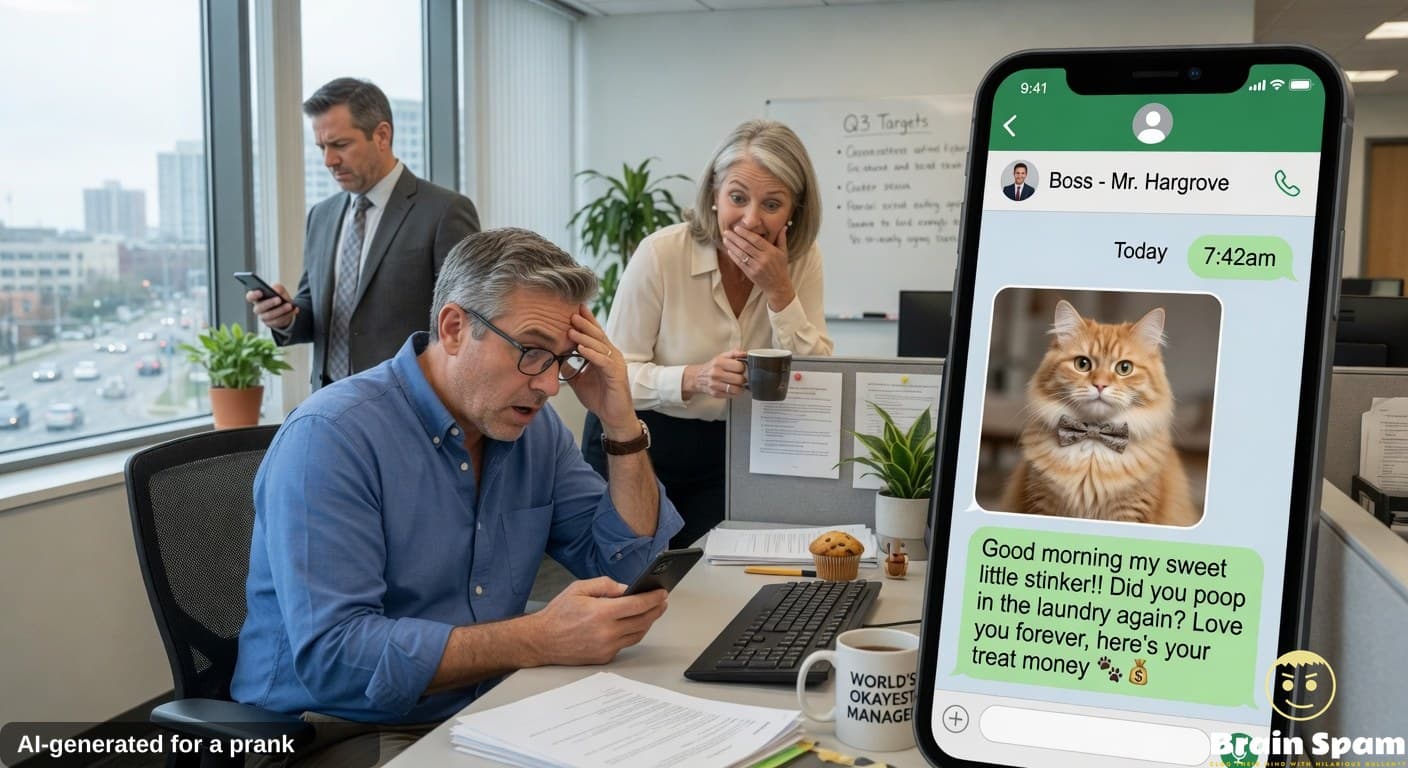
A Routine Morning Greeting Lands In The Wrong Inbox Once Again
Bizarre
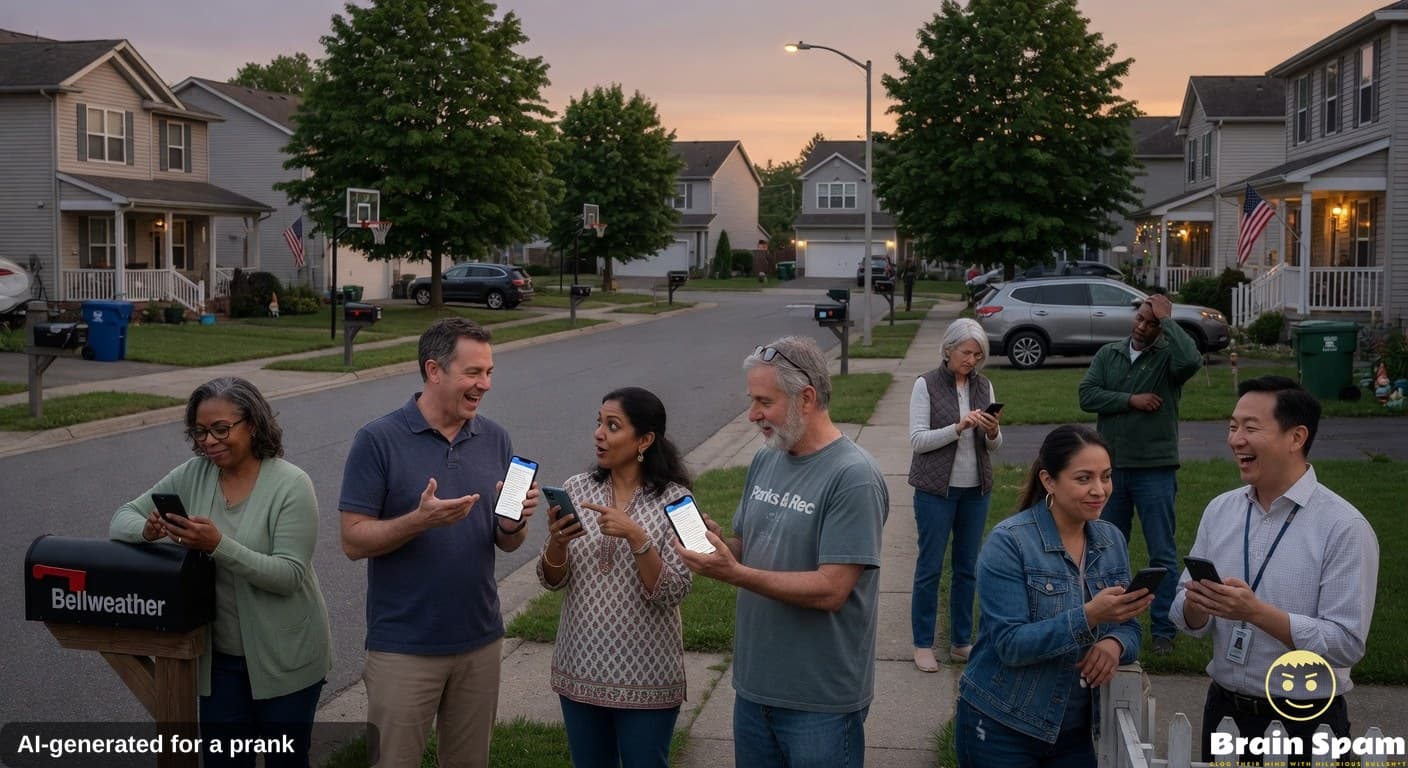
BREAKING: MARCUS BELLWEATHER SELF REMINDER TEXT IGNITES ENTIRE NEIGHBORHOOD THREAD IN SHOCKING MIXUP YOU WON'T BELIEVE
Unbelievable
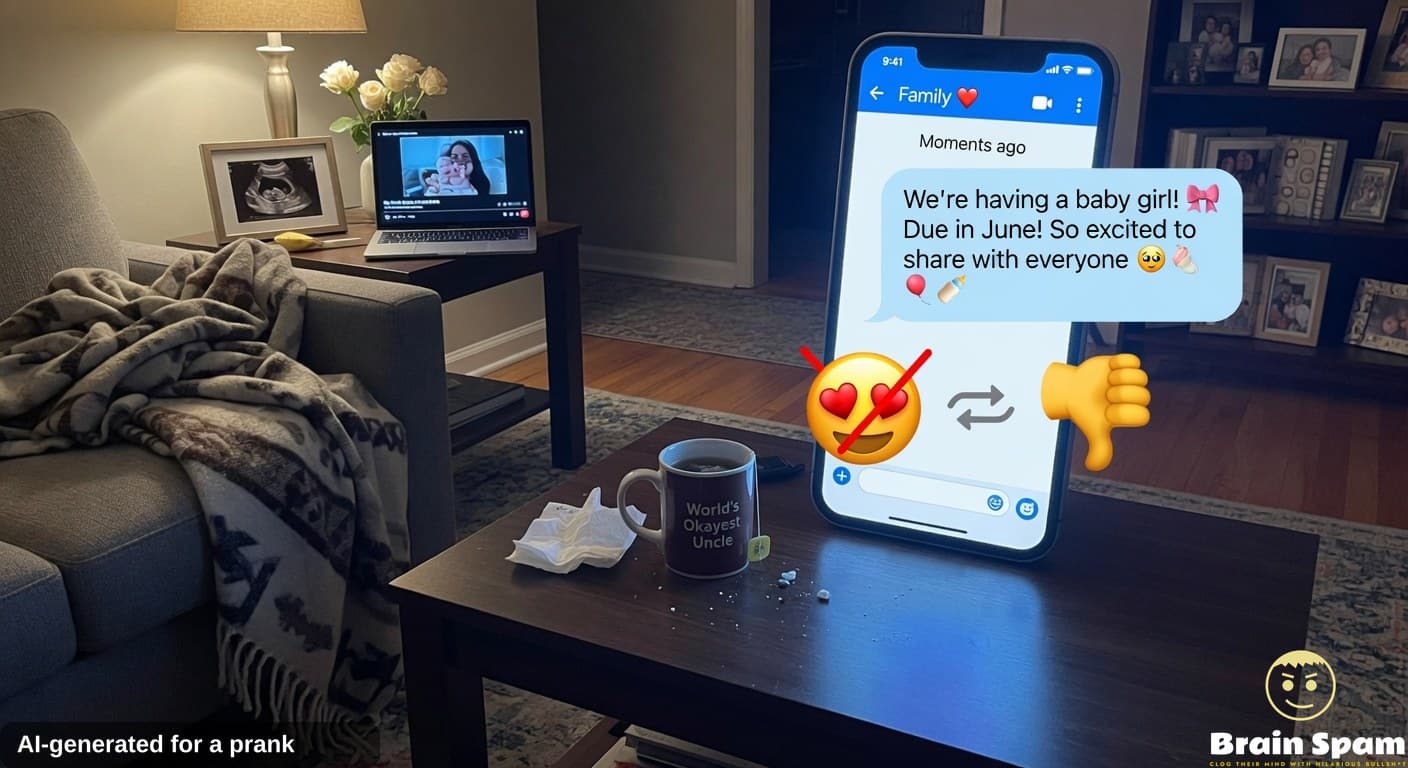
BREAKING: BARRY ONWUDIWE'S WRONG EMOJI REACTION TO FAMILY ANNOUNCEMENT SENDS SHOCKWAVES YOU WON'T BELIEVE THE CHAOS
Bizarre
The Polite Cancellation That Unleashed an Endless Chain of Replies
Unbelievable
BREAKING EXCLUSIVE: NADIA FORSYTHE'S WRONG EMOJI TO FAMILY ANNOUNCEMENT SENDS SHOCKWAVES ACROSS SCREENS
Bizarre